Blog Article Reflection

Shaquera Carlyle

COMM_305

Kristen Berry

2 June 2019

Blog Article

            In the article, the writers spoke about the increase in diversity in the classrooms throughout America. Personally, attending school for twelve years, I feel as the school systems have failed Blacks, Africans, Hispanics, Asians, etc. The school systems seem as they have abandoned other important history and cultures. I feel as there should be at least one lesson every week on each culture; and the next week they can alternate, especially in the history classes. For example, February has been dedicated to African Americans. However, this area of study is highly overlooked. In many of my history classes, I have noticed that majority of the teachers only spoke about the difficult times African Americans and the Cherokee encountered, but never the positive. Yes, we were enslaved, but Blacks played other important roles, especially during the earlier times. During Black History Month, I produced a game that asked basic questions about Black Activist, time of events, etc. Sadly, there was only one student who could answer a few of the questions that had been asked. I feel as social study teachers need to speak about the positive and negative impacts the cultures have made.

Another component I agree with is the stereotyping when it comes to Literature; many of the characters are male. For example, Pete The Cat is something we read quite often to our preschoolers, considering that they enjoy this character. However, the book is pretty much made up of guy characters, including the main character. Seeing how much the students enjoy those books; the author should also produce a female character. Therefore, the author is really gaining attention from both genders. These are some elements I observe throughout the classroom.

The Impact of Media on Teens

Shaquera Carlyle

            In the CNN article, we experienced ways that we could help improve our youth to be safe while using the media. In the video, the audience was introduced to thirteen-year-old Amelia, Eileen Masio, Amelia’s little brother, and father. Amelia’s mother spoke on ways that could keep her daughter safe while she accesses the media. One of Eileen’s elements were being logged onto her daughters Instagram account, always. Therefore, she can monitor her child’s online behavior.  However, Amelia and Eileen have both set compromises. Although her mother maybe logged onto her account, she is not allowed to post on her wall, stories, or comment/like under her pictures. Personally, this is a great idea! Considering, this build trust between the two. In the video, Eileen also states that those parents who keep their children off the internet, only makes them want to see what is out there, which could become dangerous. But I do feel if you do not want them on the media due to them being so young, parents should explain that to their children, and express the do’s and don’ts while being on the internet. The media does have many con’s, but it also has its pros.

For example, boosting a teenager’s self-confidence/esteem. There are many teens who struggle in this area. However, those positive comments that get posted online, can help him/her feel more confident. For instance, I have my days where I do not feel enough. But as soon as I post a picture and I get thirty or more likes and comments, I notice a boost in my confidence level.  The second way the media could help would be leading to more communication. Those teens who are more introverted; can meet new friends who are like them; social media can also allow teenagers to keep in touch with those old childhood friends, that has helped them in other areas of their lives. For example, job, school, sports, etc. Thirdly, social media can also help in an educational way, by letting students, such as teens, form study groups. Study groups are a group of individuals who meet with one another, to study a subject. Study groups can be helpful, considering most students learns better by their peers. Many view at social media to be a monster, but it is also an important outlet for today’s society.

Photo by Pixabay on Pexels.com

Educational Media & Music.

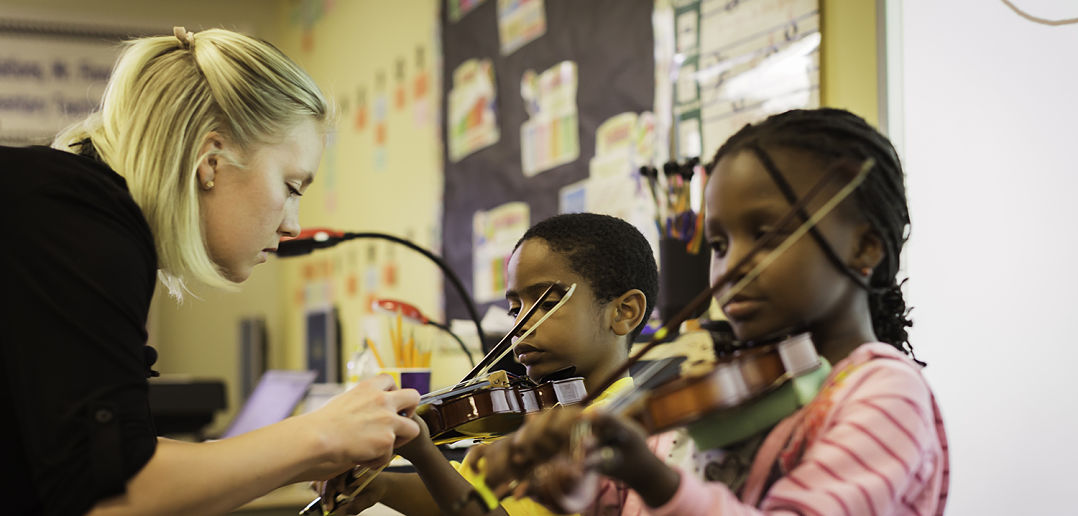
How does music improve educational purposes? In our society, music serves many desires. Music has been around for about 55,000 years and has more than one hundred different genres. However, in the classroom, music does justice for our children. Music delivers abounding purposes!  The first purpose is music helps evolve language and reasoning. Those who listen to music at the early ages of their life, allows the brain to relate to language and reasoning, considering that the left side of the brain develops music, which allows songs to leave a mark of information on young minds.

The second element is memorization. Students who are musicians, persistently use their memory, while they perform in front of an audience, or just in general; even those who may still use the music sheets! A student who masters memorization helps a student tremendously in education. For example, in high school Anatomy, memorization was how I successfully passed the class with a high C. The class covered 50% labeling different parts of the body. Although that part of Anatomy was simple to me, I still had to use memorization! A source that I used to help me recall certain components, was flash cards.

The third way is music benefits educational purposes is because students learn to improve their work. When a child is studying music, this provides the student to pick up on craftsmanship, which makes the student eager to construct excellent work, instead of doing the bare minimum. This type of ambition can be enforced in all branches of study. The fourth component is kids will stay engaged in school. Today, kids find music to be enjoyable, which would keep the student’s interest, active, and commitment. Studies have shown that children who are musicians are more likely to stay in school and reach their goals. These are the four components that music helps a child succeed in education.